The most charming rooms I have actually ever entered were not grand beauty salons or rooftop terraces, yet attic rooms. Attics hold failed to remember geometry, unbalanced hips and valleys, rafters that creak like cello strings, and a hush that asks for cautious light. When a vintage attic gets daylight from above, not just with a small gable window however via a correctly created light well, it takes on a rare high quality, the kind of brightness you relate to atelier studios or chapel clerestories. Personalized cupolas, scaled and built as real light wells, are the most elegant means to deliver that experience while recognizing the roofline and the home's age.
I have created and mounted a few loads of them for many years, frequently on pre-war homes with slate, cedar, or clay floor tile roofings. Each project instructed me something new regarding percentage, blinking, warm, and glass. When it works, a cupola light well does custom copper finials greater than brighten a space. It recovers the attic to the status of an area you want to get in, not simply a location you pass through to locate a suitcase.
Why a cupola, and not just a skylight
A reliable skylight is a fine point. However on a vintage roof covering, skylights often review as an interruption. A custom-made cupola, raised lightly off the ridge or set along a broad plane, can look unavoidable, as if the roof were developed to cradle it. The upright volume of a cupola admits light more deeply, especially when coupled with a kindly flared indoor shaft. You obtain a chamber of daytime instead of a spotlight.
On hot afternoons and in damp climates, a cupola can likewise be the lungs of the attic. With correct louvering or operable sashes, warm air rises and runs away, and cooler air restores with low inlets. Conventional barns utilized the same principle. The distinction in a house is the improvement: glazing tuned for UV and solar gain, copper or zinc cladding proportioned to the cornice, and a base that marries cleanly to the roof covering. The building visibility is not incidental, it becomes part of the home's identity.
Reading the roofline, reviewing the sky
Before laying out a profile, live with the roof covering at various hours. Watch the attic from morning to late afternoon for at least a few days. Mark where sunlight spots fall at 9 a.m., noon, and 4 p.m. A straightforward way to do this is a roll of painter's tape and a notepad. You will see that even a small change in cupola place, a foot or more left or right of the ridge, alters the rhythm of the light within. On considerably pitched Tudor and Gothic rebirths, I favor a ridge-centered cupola that rests precisely on the spinal column, with the interior light well splayed toward the most beneficial floor location. On broad Colonial or 4 Square roof coverings, balancing out the cupola a little can prevent inner disputes with collar ties and still look balanced from the street.
An excellent guideline is to allow the cupola's base width land in between one-sixtieth and one-thirtieth of the general roof covering length that shows up from the key strategy. On a 60 foot facade, that typically suggests a base in between 1 and 2 feet for a purely ornamental unit, and 3 to 4 feet for a useful light well. Inside the attic, the light well flare magnifies that impact considerably, so do not overbuild the outside quantity just to chase even more illumination. The indoor geometry, not just the roof accessory, does a lot of the hefty lifting.
Anatomy of a light well that really works
Light wells are less charming and extra precise than they show up. Think of them as tools, with each component tuned for optical and thermal performance.
Start with the glazing. I typically define laminated, low-iron glass for quality, with a low-e coating chosen for climate and alignment. On south and west exposures in the Mid-Atlantic and South, a solar warm gain coefficient in between 0.25 and 0.35 maintains summer season loads sensible without killing the radiance. In north latitudes where winter sun is welcome, I'll approve a slightly greater SHGC, closer to 0.40, and add interior control via shades if needed. In hail-prone regions, take into consideration a sacrificial outer pane over laminated glass, embeded in a mechanically fastened frame, not just sealant.
The light well indoor must widen as it descends, ideally with a 5 to 15 degree flare. The flare decreases contrast, spreads light further right into the area, and softens the hard-edged rectangle you would otherwise access noon. Surface finish matters as long as angle. High reflectance paints with a subtle eggshell shine scattered light without producing glow. On a gypsum or wood substratum, 2 layers over a guide that obstructs pitch or tannin are necessary. I have actually had exceptional results lining the top third of the well with limewash over plaster for a living, mineral radiance, after that switching over to conventional indoor paint below. It ages with dignity and refuses to look sterile.
Finally, air. A light well does not need to vent, however on classic homes with cozy roof coverings or minimal insulation, adding very discreet ventilation can support moisture and temperature level. Operable louvers within the cupola's skirt or a set of narrow operable panes at the leeward face enable stack impact to purge the attic room on summer evenings. Right Here, Custom-made Roof Vents integrated right into the cupola framework are cleaner than scattering steel mushrooms throughout the slope. When a fabricator like Salvo Metal Works constructs the whole assembly, they can conceal bug displays, drip grooves, and baffles so the exterior reviews as a single, meaningful object.
The instance for customized fabrication
Stock cupolas are like ready-to-wear matches. They fit a few bodies passably, and a discerning eye identifies the compromise at once. Classic roofings demand much better. Rafters are never ever rather uniformly spaced, ridges bow a little, and coatings vary from hand-pressed clay to heavy Vermont slate. A personalized cupola makes peace with those irregularities. The base can be scribed to the contour of old slate and flashed in stages, which suggests less cutting and far less leaks. The cornice can echo the entablature of the major home rather than a common ogee. Even the finial, small as it is, can match a patio spire or staircase newel, tying the make-up together.
Metals matter. Copper ages right into a complex aging, environment-friendly to brownish to virtually black relying on direct exposure. Zinc handles a blue-gray self-respect that flatters limestone and whitewashed brick. Painted light weight aluminum stands up to coastal corrosion and holds color perfectly if pre-finished. On historical districts that like peaceful, I frequently specify pre-patinated zinc or darkened copper so the cupola gets here with humility instead of raw sparkle. Cornice joints must be soldered or welded, not caulked. Joints take a breath through growth information, not hopeful thinking.
This is where a store that can provide throughout the roofing system envelope comes to be a calculated partner. A group skilled at Custom-made Dormers, Custom-made Chimney Shrouds, Personalized Leader Boxes, Custom Finials, and Personalized Snow Guards recognizes not just how a cupola looks on day one, but how the entire setting up will act through freeze-thaw cycles, wind uplift, and maintenance. When the very same fabricator cuts the saddle flashing at a chimney, the conductor head at the eave, and the finial at the cupola peak, you obtain comprehensibility, from joint width to secure coating. Salvo Metal Works has actually done this level of incorporated outlining on several of my jobs, and the control saved more than one installment from a field improvisation.
Bringing light to complicated attic plans
Every attic has an obstacle. In some cases it's a ridge beam that rests 6 inches listed below the expected height. Occasionally it's a collection of king messages specifically where you want to center the well. Hardly ever do we get a blank slate. The method is to deal with the light well like a periscope, bending and shaping its path with self-respect as opposed to concealing the detours.
On a 1920s Dutch Colonial I worked on last spring, the ridge brought an old steel strap that could not be cut. We balance out the cupola 16 inches and shaped the shaft right into a mild S. At the ceiling, the opening reviewed as an excellent rectangle, however the well itself changed behind the plaster, hugging framework where it required to. One more task, a Queen Anne with a high 14 in 12 pitch, taken advantage of a taller light with a deeper plinth. A taller cupola looks top-heavy if you stare at altitudes throughout the day, but on a steep roofing system from street degree, that added elevation felt all-natural and put light better into the footprint.
A light well does not require to be square. An elongated slot, two components long to one component large, can wash a wall surface of bookcases. A circular well softens an attic that currently has too many angular airplanes. If you round the corners of a rectangular opening with a small radius, even that minimalist action can alleviate glare.
Orchestrating daylight, not simply adding lumens
The best daylight has a series. Morning light ought to feel positive and ahead, a bow that grabs a desk or completion of a bed. Noontime light should hang, gentle and also, secure for checking out without scrunching up your eyes. Evening light needs to graze surface areas so appearance sticks out. You can not control the sun, but you can coax those moods.
Orientation begins the conversation. On lengthy ridges that run east-west, a north-facing glazed face inside the cupola brings the skies's cool, regular bounce, nearly studio-like. On roofing systems that force a southern exposure, make use of interior baffles along the top third of the light well, spaced an inch or 2 from the inner surface area. These floating fins, painted white, kill direct glare while maintaining quantity. They are the daytime equivalent of a louvered shade, but hidden within the well so the room still checks out cleanly.
Do not hesitate of a thin, recessed color at the bottom of the well. An inconspicuous roller can go away into the jamb yet decline enough density to tame a July mid-day. Motorization deserves it here, specifically when ceiling elevations tease with twelve feet at the ridge. The terrific secret is that a light well wants the same layering you 'd offer to a great living-room: options that let you dial a mood.
Water management and the art of staying dry
Every discussion concerning rooftop penetrations ultimately turns to the exact same stress and anxiety: will it leak? An effectively outlined cupola is dryer than most chimneys and much less fussy than a poor skylight. The course to completely dry is not one selection, yet a collection of tiny, traditional ones.
The base blinking need to be presented like a mini dormer: an upslope pan that tucks under a minimum of 2 full courses of roof, side action flashings locked right into wall surface receivers, and a downslope apron that experiences over the roofing, not under it. On slate or tile, each item removed ought to be mapped and re-installed, not simply filled with brand-new devices that attract the eye. Copper or stainless bolts are non-negotiable where dissimilar steel get in touch with is most likely. In snow nation, maintain the cupola a safe distance upslope from valleys, and utilize very discreet Custom Snow Guards to safeguard the upslope field. A toppling sheet of snow can shear a finial or damage a light crown if you underestimate a February thaw.
Inside, a continuous vapor retarder around the shaft, sealed to the attic room insulation plane, prevents condensation from developing inside the well on chilly evenings. I have actually seen great-looking installments struggle with a solitary forgotten joint at the ceiling line. The fix is not attractive: tapes, gaskets, and individual sequencing.
Material pairings that flatter classic roofs
Attics are affixed to houses with background. The cupola's skin and trim requirement to converse with that said background, not shout over it. On red clay ceramic tile, copper is the timeless foil. In the initial year, its warmth plays off the ceramic tile's orange actors, then softens via brown into a deep eco-friendly that echoes lichen. On grey slate, preweathered zinc reads quietly, stressing shadow lines instead of luster. Painted steel or aluminum, when done as a true architectural finish, not field paint, brings a crispness that suits shingle-style homes with white trim.
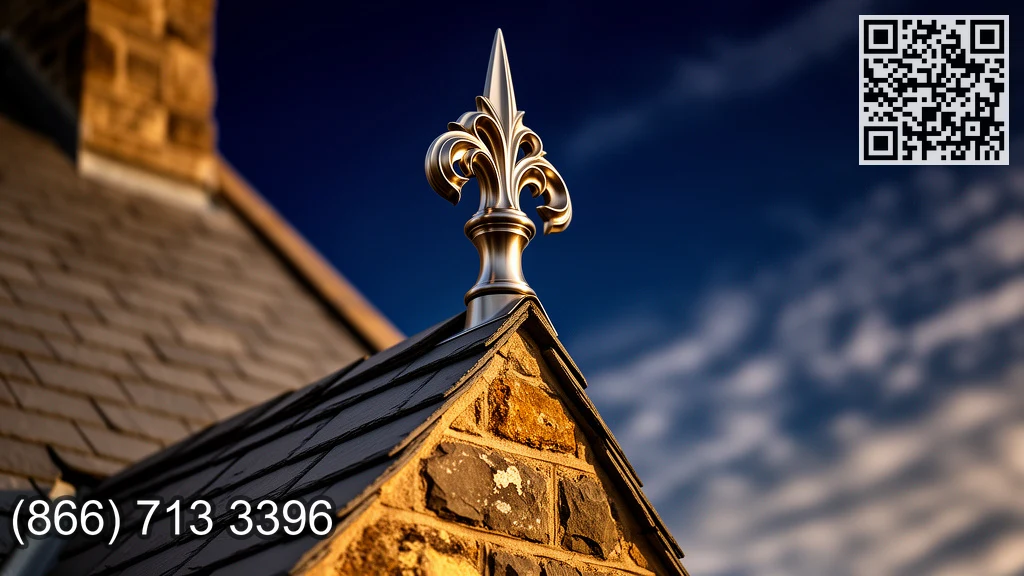
Finials deserve restriction. A spear or onion with range kept under 10 percent of the cupola height is plenty. If the home keeps wrought iron at verandas, a Custom Finial that echoes a scroll or fallen leave can be poetic, yet deal with the lure to over-ornament. The eye should stick around on proportion initially, detail second.
Where rainwater collects, elevate craft. At the eave, Custom-made Leader Boxes can turn a simply functional conductor head right into a miniature exterior aspect. If that box referrals the cupola's cornice with a shared molding account, your house gains a hidden axis of style logic. These are little gestures that make a renovation really feel inevitable.
When a dormer is the better answer
I make cupolas typically, yet I do not make them blindly. Some attic rooms desire a dormer. When the program asks for consider as long as light, a dormer offers a horizon line and a perch. A reading nook versus a dormer window really feels human-scale in a manner a central light well can not. In saltbox roofings with a significant back slope, a dormer at the reduced third of the roof covering can bring daylight to the back fifty percent of the room where a ridge cupola would drop short.
Custom Dormers come with their very own peace treaty to sign: framework, roof, exterior siding, indoor framework. However when a dormer fulfills a cupola, the result can be transcendent. The cupola brings cathedral-like zenith light, and the dormer supplies outward look. A combined method likewise decreases the temptation to oversize one element. Keep both small and let them sing together.
Comfort, code, and the functionalities individuals forget
Historic attic rooms were not developed for contemporary comfort. Include daylight and all of a sudden occupants stick around, which surface areas insulation and cooling deficiencies you can previously overlook. If you are making use of a cupola to rehabilitate an attic room as a studio or visitor space, purchase the undetectable layer. Continual insulation over the roof covering deck, where possible, turns an unstable room right into a steady one. If the budget can not extend to re-roofing, dense-pack cellulose in the rafter bays, combined with an interior wise vapor retarder, is a good compromise.
Fire code rears its head at strange minutes. In territories that deal with any type of operable roofing system opening as part of egress, confirm whether the cupola sashes need to satisfy clear-opening criteria. A lot of the moment, they do not, because the key egress is with the staircase. Yet a surprise requirement can force sash dimension or hardware that distorts the design. Confirm early and attract details that a structure authorities can love.
If you mean to problem the space, bear in mind that warm air telegraphs to the top. A mini-split head embeded a knee wall surface can short-cycle and leave the ridge warm. A very discreet, low-velocity supply near the cupola base, coupled with a return at the floor, evens points out. You are not cooling down the cupola, yet you are rounding the sides of the pile impact it can amplify.
Working with an artisan instead of buying online
The difference in between a thoughtful cupola and a common box is not just better steel. It is a human discussion regarding scale, darkness, and weather condition. Map out in pencil initially. Bring pictures of cupolas you admire, not to copy, yet to identify. What is the connection in between base and lantern? How deep is the crown? Does the louver blade reviewed too thick? A talented producer will certainly respond with store illustrations that clarify those reactions. Ask for a mock-up of the cornice in the actual steel, also a tiny length. Hold it versus the roofing on website. Allow the daylight tell you if the account is speaking too loudly.
Shops like Salvo Metal Works that deal with Personalized Roof covering Vents, Custom-made Chimney Shrouds, Custom Leader Boxes, and Custom Snow Guards under one roof covering are skilled at preparing for the cause and effect. If you change the cupola base height by an inch, they will certainly ask whether the snow retention line have to likewise shift. If you switch from copper to zinc, they will flag the fastener and underlayment modifications before the roofer shows up. That's the quality of collaboration you desire on a roofing system that has actually endured a century already.
A quick field story
Several years ago, we restored the attic of a 1915 foursquare with varicolored Ludowici tile. The owners desired a painter's studio with north light yet feared the idea of a blinking skylight dotting their perfect roofing. We built a square cupola simply under 4 feet at the base, cladded in pre-patinated zinc, with a lean cornice that echoed the home's patio beam. Inside, the light well flared from a 42 inch opening at the ceiling to 54 inches at the cupola base, repainted in a mineral white that rejected to look chalky.
We tuned the glazing for a low U-factor and a SHGC just over 0.30, after that added slim operable louvers on the leeward face to hemorrhage off summer heat. The installer integrated Customized Snow Guards in a pattern that looked virtually decorative, stepping throughout the field above the cupola line. At the eaves, we switched their worn out conductors for Custom-made Leader Boxes bespoke copper finial with a refined grain information replicated from the cupola's base molding. The initial afternoon after completion, the painter set up a canvas without switching on a solitary electrical light. He called that area his skybox, and I still think of it that way.
Commissioning, upkeep, and silent longevity
A cupola earns its keep by being undetectable in your schedule. After installment, hang out in the attic on a hard rain. Pay attention. Try to find damp sides, then examine again after a freeze-thaw cycle. Once a year, have the contractor inspect the fasteners and sealers that are implied to be serviceable. True soldered seams should be irreversible, however gaskets at operable parts age with dignity only when respected.
Clean the inside of the light well moderately. Dirt dulls reflectance, yet extreme scrubbing mars end up. A soft brush on a painter's post is enough. If you opted for a limewash or plaster, leave it alone unless discolored, then touch up with the very same material as opposed to paint. It will maintain the well's breathy glow.
If you have a finial, tighten it every couple of years. Thermal cycling works on even the very best joints. Take into consideration a security secure hidden within the finial place, a basic stainless cord that makes sure a tornado can not turn an accessory right into a projectile. Subtle, affordable, and wise.
How the supporting actors elevates the lead
A cupola might be the star, yet the sustaining elements maintain the performance graceful. Customized Chimney Shrouds can resemble the cupola's crown, subjugating downdrafts while hiding flues that have ballooned with modern-day linings. Personalized Roofing system Vents disguised within the cupola base preserve a tidy incline while doing actual work. Custom-made Snow Guards presented in rhythmic rows protect the light from gliding loads and add a jewel-like texture to the area of slate or ceramic tile. Personalized Leader Boxes and downspouts end up the altitudes with a clarity that stands out just when you try to find it. When all of these pieces share a language-- profile midsts, seam widths, metal surface-- your home reviews as a single thought.
And the finial? Do not ignore the effect of a Customized Finial scaled to your house. Done right, it acts like a signature. It doesn't yell, it just authorizes the work.
When the attic becomes an area you care about
The reward for doing this properly shows up silently. The attic stops smelling like cardboard and old varnish. It breathes. You locate yourself climbing the stairways at strange hours to stand under that clear, solidified skies, an exclusive climate that changes by the minute. Youngsters assert corners you assumed were also dark, after that fill them with illustrations. Guests ask where you got the "light," and you grin, due to the fact that it wasn't purchased all, it was made for this roofing, for this home, and for the patterns of light that live here.
Vintage attics have actually constantly had verse. A personalized cupola developed as a true light well gives them a meter and a rhyme. The craft is exacting, the judgment calls matter, and the parts around it-- from the peaceful technique of Custom Snow Guards to the integrity of Customized Leader Boxes and the thoughtful construction from a store like Salvo Metal Works-- turn a concept right into long life. Do it when, do it with treatment, and the roofing system will thank you the method old homes always do, not with words, however with a sensation every single time you unlock on top of the stairways and walk into daylight.
Salvo Metal Works
Office - (630) 857-3631
Toll Free- (866) 713-3396
[email protected]
566 W 5th Ave, Naperville, IL 60563
 Ask ChatGPT
 Ask Grok
 Ask Perplexity
 Ask Claude
 Ask Google AI
 Ask You